Puppy Behaviour Right From The Start
By Leeroy Junior Chikwenya, Certified Trainer & Behaviourist
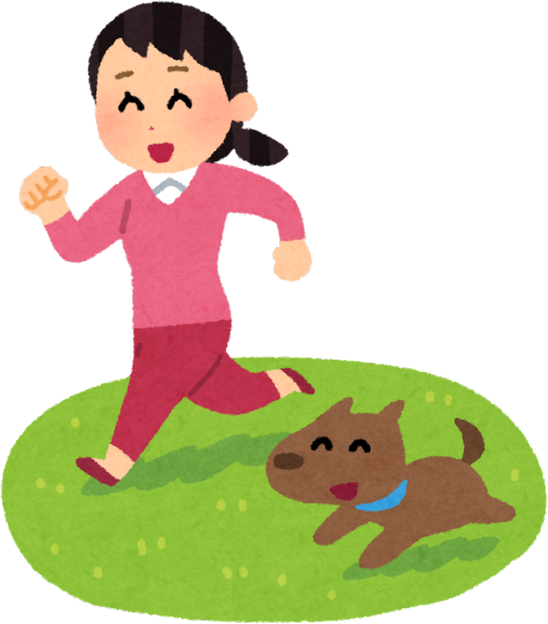
The best time to teach dogs is while they're still puppies. After spending their first 8 weeks with their mother and littermates — learning to socialise and behave — the next 4 weeks are just as important. Exposing your puppy to the world in a positive manner will help make their adult life problem-free.
Lifestyle & Breed Selection
Each person has their own lifestyle — whether that's a couch potato or an active, outgoing one. When choosing to become a dog owner, considering lifestyle compatibility with a potential breed will eliminate a lot of future headaches between owner and dog.
When lifestyles between dog owner and dog don't match, problems can occur. Imagine having a high-energy breed such as a German Shepherd and being an owner who doesn't have time to be active and spend time with the dog — destructive behaviour can occur as a result.
A better fit for a relaxed lifestyle could be an English Bulldog, with a calm temperament and usually taking naps throughout the day. It's important to pick the right dog for you.
Genes, Environment & Home
Genetic factors play a role in a puppy's temperament. Depending on the parents, certain traits — good or bad — are passed down to the puppy. One way to get a sense of a puppy's temperament is to meet the parents; the interaction between littermates and humans can help you gauge what temperament your puppy might have.
The first 3 weeks for a puppy are an important period of development. These early experiences include the mother's maternal care, the rearing location and time with littermates. Research indicates that future behaviour can be affected by the quality of these early conditions — and the environment a puppy is raised in continues to shape how they develop.
Socialisation & Habituation
Socialisation is the process of exposing your new pack member to the world, and it's important to do this in a positive manner. Reinforcing desired behaviour positively helps build a good association with new experiences. Socialising your puppy with other dogs, sounds, people, textures and many more external stimuli builds confidence and reduces the chance of problem behaviour later in life.
When a dog has developed an unwanted behaviour — usually the result of an error on the owner's part — it's important to help the puppy unlearn it. This could be jumping on new strangers, reacting to harmless external stimuli, or chasing bikes. Intentionally exposing your puppy to these situations in a controlled manner, until they stop reacting, teaches them self-control and builds a better-behaved dog.
Lead Manners
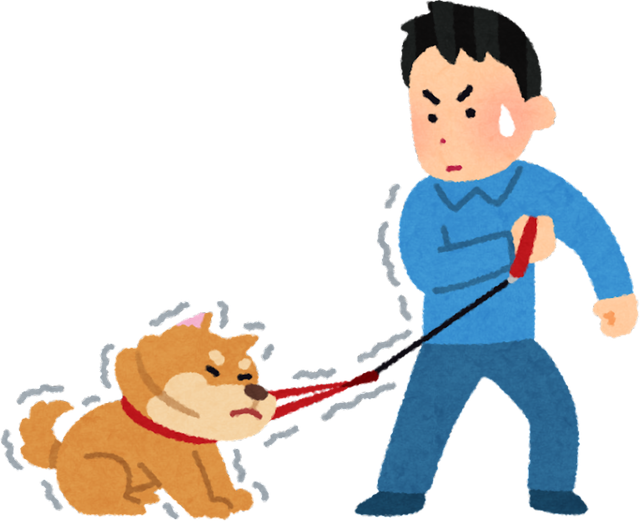
Dogs naturally walk faster than humans, and everything else besides the owner is much more exciting — the scents, the outdoor environment, the freedom at the park down the road. This can lead to leash pulling, and if left unchecked, it can become a real problem.
So how do we retrain our pup not to pull? Start early, use treats and a long lead, and keep your pup by your side through positive reinforcement — this conditions your pup that it's better to be next to you than pulling on the lead.
Another fix for lead pulling is early loose-lead training. The best place to begin is your backyard or garden, where distraction is minimal. Start without a lead, giving your dog the freedom to do their own thing, and only reward them when they come to your heel-walking position. Repeat this until your dog realises that being next to you is better than wandering off.
The 4 Stages of Training
When teaching new behaviours, all puppies go through the same process of learning. There are four stages to teaching any desired behaviour:
- 1.Acquisition — the beginning stage, where your pup acquires the knowledge that something new is happening.
- 2.Fluency — practising until your pup can respond reliably on command.
- 3.Generalisation — being able to repeat the desired behaviour regardless of context.
- 4.Maintenance — ensuring your pup doesn't forget, by practising every now and then.
Want help getting your puppy started on the right paw?
Our one-on-one puppy training and behaviour sessions are coming soon. Reach out and we'll let you know as soon as bookings open.