Alternative Methods To Problem Behaviour
By Leeroy Junior Chikwenya, Certified Trainer & Behaviourist
Problem behaviour in dogs usually stems from poor training during their early age. If good behaviour isn't taught in and out of the home during this infancy period, problem behaviour has a much higher chance of developing. Learning what stimulates a dog to behave a certain way can help identify how to stop unwanted habits — and create an environment that allows the dog to learn new, good behaviour instead.
Types of Problem Behaviour
Begging
Dogs have an excellent sense of smell, and locating food is one of its main purposes — so it's no surprise the enticing aroma of human food attracts our dogs. Giving your dog a piece of your dinner may seem harmless, but it can quickly develop into begging behaviour. Human food is fine as a high-value treat in the right training context — outside of that, a begging dog can become a stealing dog, a domino effect of unwanted behaviour.
Chewing
Chewing is normal, even psychologically essential, behaviour for dogs. For teething puppies it relieves pain as their new teeth grow; for older dogs it's a way of keeping their jaws strong and teeth clean. The goal isn't to stop chewing altogether, but to redirect it onto appropriate toys.
Stealing
Dogs are naturally curious and enjoy investigating their environment, and they're also very food-orientated. So it should come as no surprise that dogs combine these natural desires to steal food from kitchen counters and raid rubbish bins.
Teaching Alternative Behaviour
Alternative behaviour is new behaviour taught that reinforces good behaviour from the dog. Alternative methods to solving problem behaviour can include puzzles and chew toys — a practical way of managing problem behaviours. These methods teach the dog to control their impulses, and through positive reinforcement, they learn alternative ways to direct stress, excitement and any other excess energy — all while staying entertained and improving their health.
Tools That Help
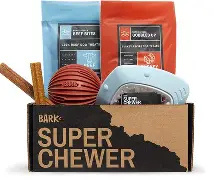
Chew Toys
Chew toys satisfy a dog's natural chewing instinct and help with dental health, gums, teeth and jaw strength. A durable chew toy — designed for power chewers with strong jaws — reduces your dog's desire to turn to furniture, shoes and valuables around the home.
Interactive Toys
Interactive toys are best for destructive puppies with a lot of excess energy to spare. The issue isn't always problem behaviour — sometimes the dog is simply full of energy. High energy, an understimulated mind and powerful jaws can result in chewed-up belongings. Focused engagement through interactive play transforms destructive energy into a satisfying activity.
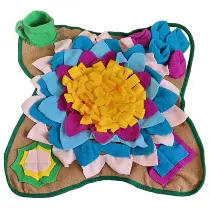
Snuffle Mats
A snuffle mat is great for sensory engagement — improving a dog's sense of smell while providing a fun, interactive experience that slows down eating and reduces boredom. Dense fleece flaps mimic natural foraging, encouraging dogs to sniff, look, paw and nudge for hidden treats. It's a great tool to keep a dog occupied during your own mealtime, helping curb begging behaviour.
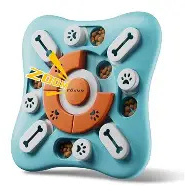
Puzzle Toys
Dogs that don't get enough mental stimulation can turn to destructive or attention-seeking behaviour to pass the time. Puzzle feeders turn a normal meal or snack time into a brain game, keeping your dog engaged and occupied — great for dogs prone to stealing behaviour, keeping them busy and away from kitchen counters or bins.
Practical Management & Closing Tips
Sometimes the easiest way to solve a problem is to prevent it from occurring in the first place. Practical management is often overlooked and can seem like a second-rate solution, but it eliminates the chance of problem behaviours arising at all.
When it comes to stealing, chewing, begging and other problem behaviours — do not scold, yell or punish your dog. This has the opposite effect to what you're trying to teach. Instead, create an environment that allows your dog to learn and choose an alternative behaviour through positive reinforcement. Be patient and consistent.
Dealing with a tricky behaviour?
Our one-on-one puppy training and behaviour sessions are coming soon. Get in touch and we'll let you know as soon as bookings open.